Have you ever noticed your tortoise becoming less active as temperatures drop and wondered if something is wrong? Many tortoise owners experience this concern every year. The truth is that tortoise hibernation is a natural process for many species, but it must be handled correctly to keep your pet safe and healthy.
Understanding whether your tortoise should hibernate, how long the process lasts, and what preparations are necessary can make the difference between a successful winter rest and serious health risks. This guide will walk you through everything you need to know about tortoise hibernation in a simple, practical way.
Understanding Tortoise Hibernation
What Is Tortoise Hibernation?
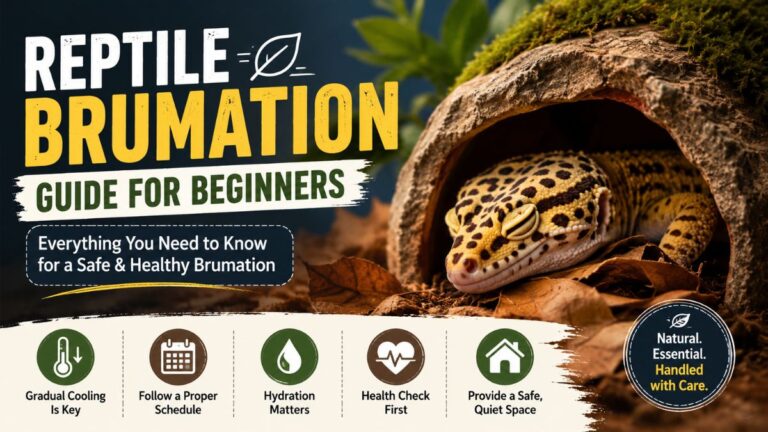
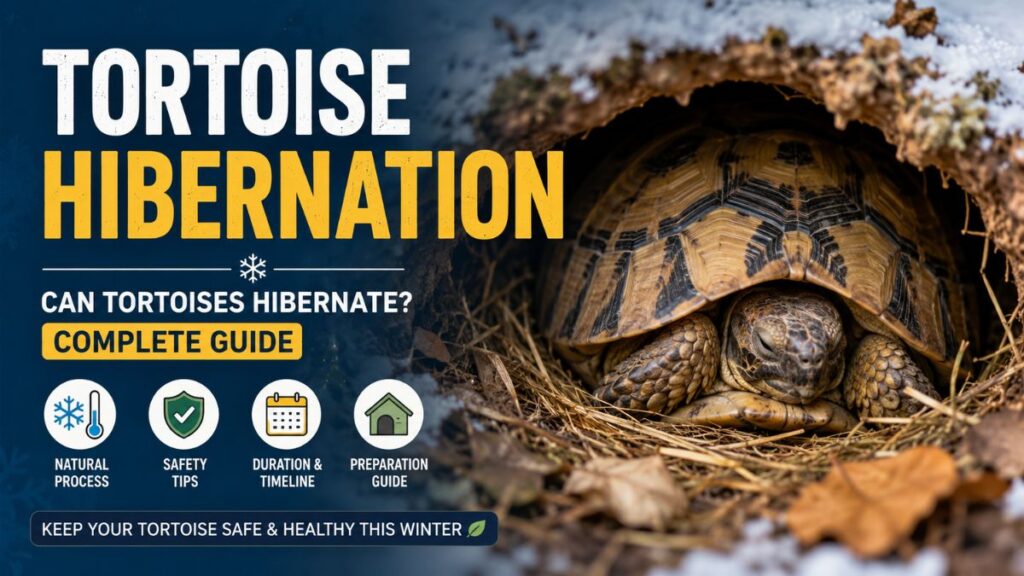
Tortoise hibernation, often called brumation in reptiles, is a period of reduced activity and slowed metabolism during colder months. In the wild, this helps tortoises survive when food and warmth become scarce.
During hibernation, a tortoise may:
- Stop eating completely
- Become less active
- Sleep for extended periods
- Experience a slower heart rate and metabolism
This natural adaptation allows many tortoise species to conserve energy until warmer weather returns.
Do All Tortoises Hibernate?
No, not all tortoise species hibernate.
Species that commonly hibernate include:
- Hermann’s tortoise
- Russian tortoise
- Greek tortoise
- Marginated tortoise
However, tropical species such as the Sulcata tortoise and Leopard tortoise generally do not hibernate because they originate from warmer climates.
Before allowing hibernation, always confirm whether your tortoise species naturally undergoes this process.
Signs Your Tortoise Is Preparing for Hibernation
Behavioral Changes to Watch For
As temperatures and daylight hours decrease, many tortoises begin showing natural pre-hibernation behaviors.
Common signs include:
- Reduced appetite
- Increased sleeping
- Less movement around the enclosure
- Seeking sheltered areas
- Spending more time buried
These changes are often the first indication that seasonal instincts are taking over.
When to Be Concerned
Not every inactive tortoise is preparing for hibernation.
If your tortoise shows:
- Weight loss
- Runny nose
- Swollen eyes
- Difficulty breathing
- Lethargy during warm conditions
A veterinary checkup is essential before considering hibernation.
Tortoise Hibernation Safety Guide
Health Checks Before Hibernation
One of the most important aspects of a tortoise hibernation safety guide is ensuring your pet is healthy enough to hibernate.
Before hibernation:
- Schedule a reptile veterinarian examination
- Check for parasites
- Monitor weight regularly
- Ensure proper hydration
- Confirm there are no respiratory infections
A sick tortoise should never be allowed to hibernate.
Preparing the Digestive System
Food remaining in the digestive tract can cause serious complications during hibernation.
Preparation usually includes:
- Gradually reducing food intake
- Providing daily warm baths
- Allowing the digestive system to empty completely
This process typically takes several weeks depending on the tortoise’s size and species.
How Long Do Tortoises Hibernate?
Typical Hibernation Duration
A common question among owners is how long do tortoises hibernate.
The duration varies depending on:
- Species
- Age
- Health
- Environmental conditions
Generally:
- Juveniles: 6–8 weeks
- Adults: 8–16 weeks
Many healthy adult tortoises hibernate for around 10–12 weeks.
Monitoring During Hibernation
Even while dormant, regular monitoring is necessary.
Owners should:
- Weigh the tortoise periodically
- Check temperatures regularly
- Ensure proper ventilation
- Watch for excessive weight loss
Consistent monitoring helps prevent problems before they become dangerous.
How to Prepare a Tortoise for Hibernation
Creating the Right Environment
Learning how to prepare a tortoise for hibernation starts with maintaining the proper temperature range.
Ideal hibernation temperatures generally stay between:
- 3°C to 8°C (37°F to 46°F)
Temperatures that are too warm can keep metabolism active, while freezing temperatures can be fatal.
Choosing a Hibernation Method
Popular methods include:
Box Method
- Insulated container
- Dry bedding
- Stable temperatures
Refrigerator Method
- Precise temperature control
- Regular monitoring
- Widely recommended by experienced keepers
Whichever method you choose, maintaining consistent conditions is critical.
For additional guidance, you can use the Tortoise Hibernation Readiness Calculator to assess whether your pet is prepared for hibernation: https://reptilecalc.com/tool/tortoise-hibernation-readiness-calculator/
Waking Your Tortoise After Hibernation
Safe Wake-Up Steps
When hibernation ends:
- Gradually warm the tortoise
- Offer a shallow warm bath
- Provide fresh water
- Return normal heating and lighting
- Introduce food gradually
Most healthy tortoises begin drinking within a few hours and eating within a few days.
Post-Hibernation Monitoring
Continue monitoring:
- Weight
- Activity levels
- Appetite
- Hydration
Any unusual behavior should be evaluated by a reptile veterinarian.
FAQs:
Can a tortoise survive without hibernating?
Yes. Many pet tortoises can remain active year-round when proper heating and lighting are provided, though some species naturally benefit from hibernation.
What age can a tortoise start hibernating?
This varies by species and health status. Many experts recommend waiting until a tortoise is healthy, well-established, and of adequate size before its first hibernation.
Is hibernation dangerous for tortoises?
Hibernation can be risky if performed incorrectly. Proper preparation, health checks, and monitoring significantly reduce those risks.
Conclusion:
Tortoise hibernation is a fascinating natural process, but it requires careful planning and attention. Knowing your species, ensuring good health, and creating safe hibernation conditions are essential for success. By following proper preparation steps and monitoring your tortoise closely, you can help it experience a safe and healthy winter rest.